The colored percentage bar atop each cell indicates how directly published, peer-reviewed human clinical research (PubMed, double-blind randomized controlled trials) supports that ingredient for metabolic and glycemic regulation.
Cell 01 / 22
94% Evidence Alignment
Chromium (as Chromium Picolinate)
Bioavailable Mineral Chelate (20% Daily Value)
7 mcg
Chromium is an essential trace mineral required for normal carbohydrate and lipid metabolism. As a structural cofactor for chromodulin (low-molecular-weight chromium-binding substance), it amplifies the tyrosine kinase activity of activated insulin receptors, facilitating GLUT4 glucose transporter translocation from intracellular vesicles to plasma membranes. Clinical RCTs confirm chromium picolinate supports postprandial glucose uptake and insulin sensitivity (Anderson 2000, Preuss et al. 2011).
Clinical Reading: Disclosed at 7 mcg (20% DV); strong human clinical evidence for augmenting insulin receptor sensitivity and cellular glucose clearance.
Cell 02 / 22
91% Evidence Alignment
Gymnema Sylvestre Leaf Extract
20:1 Botanical Concentrate (Standardized Gymnemic Acids)
Undisclosed proprietary blend amount (within 15.47 mg total)
Gymnema sylvestre (known traditionally as 'gurmar' or sugar destroyer) contains gymnemic acids that reversibly occupy sweet taste receptors on tongue papillae, temporarily suppressing the perception of sweetness. In the intestinal lumen, gymnemic acid macromolecules bind to sodium-glucose co-transporters (SGLT1), blunting post-meal sugar absorption. Clinical human trials demonstrate supportive effects on fasting plasma glucose and beta-cell trophic support (Tiwari et al. 2014, Baskaran et al. 1990).
Clinical Reading: Concentrated 20:1 extract; robust scientific rationale for attenuating intestinal glucose absorption and suppressing sugar cravings, though individual milligram dose is bundled.
Cell 03 / 22
86% Evidence Alignment
Maca Root Extract (Lepidium meyenii)
20:1 Adaptogenic Andean Root Extract
Undisclosed proprietary blend amount (within 15.47 mg total)
Grown in high-altitude Andean plateaus, Maca root supplies bioactive macamides and macaenes. Rather than directly modulating insulin release, Maca functions as an endocrine and metabolic adaptogen, modulating the hypothalamic-pituitary-adrenal (HPA) axis to buffer cortisol surges that drive gluconeogenesis and reactive hypoglycemia. Double-blind trials report sustained physical stamina and balanced energy without stimulant spikes (Gonzales 2012).
Clinical Reading: 20:1 concentrated extract; recognized adaptogen that stabilizes metabolic stamina and mitigates stress-induced cortisol and glucose swings.
Cell 04 / 22
92% Evidence Alignment
Green Tea Leaf Extract (Camellia sinensis)
20:1 Extract (Standardized for EGCG Catechins)
Undisclosed proprietary blend amount (within 15.47 mg total)
Green tea polyphenols, predominantly epigallocatechin-3-gallate (EGCG), stimulate AMP-activated protein kinase (AMPK) signaling, the central cellular fuel-gauge enzyme. AMPK activation drives hepatic glycogen regulation, reduces excessive gluconeogenesis, and enhances peripheral glucose disposal. A comprehensive meta-analysis of 17 randomized controlled trials confirmed green tea catechins significantly reduce fasting blood glucose and HbA1c concentrations (Liu et al. 2013).
Clinical Reading: 20:1 concentrated extract; top-tier meta-analytic confirmation for AMPK-mediated glycemic regulation and vascular endothelial protection.
Cell 05 / 22
84% Evidence Alignment
African Mango Seed Extract (Irvingia gabonensis)
10:1 West African Seed Concentrate
Undisclosed proprietary blend amount (within 15.47 mg total)
Irvingia gabonensis seed extracts have been evaluated for modulating adipogenesis and insulin signaling. Bioactive seed fractions suppress peroxisome proliferator-activated receptor gamma (PPAR-gamma) and upregulate adiponectin expression, an insulin-sensitizing adipokine that improves hepatic glucose handling and lipid clearance. Randomized trials show reductions in waist circumference and fasting glucose in adult cohorts (Ngondi et al. 2009).
Clinical Reading: 10:1 extract concentrate; meaningful clinical validation for adiponectin upregulation and appetite regulation, though proprietary blend hides exact milligrams.
Cell 06 / 22
89% Evidence Alignment
Grape Seed Extract (Vitis vinifera)
20:1 Polyphenol Concentrate (Proanthocyanidins)
Undisclosed proprietary blend amount (within 15.47 mg total)
Grape seed oligomeric proanthocyanidins (OPCs) deliver exceptionally strong microvascular antioxidant defense. Hyperglycemia induces mitochondrial superoxide overproduction in endothelial capillary beds, driving sorbitol accumulation and oxidative damage. Clinical trials indicate OPCs improve endothelial nitric oxide synthase (eNOS) phosphorylation, enhance microcirculatory blood flow, and shield vascular basement membranes from glycemic stress (Bagchi et al. 2000, Kim et al. 2016).
Clinical Reading: 20:1 extract concentrate; strong protection for microvascular beds and capillary endothelial integrity against glycemic oxidative stress.
Cell 07 / 22
82% Evidence Alignment
Guarana Seed Extract (Paullinia cupana)
20:1 Amazonian Botanical Concentrate
Undisclosed proprietary blend amount (within 15.47 mg total)
Guarana seed delivers naturally bound methylxanthines combined with tannins and saponins, allowing gradual cellular uptake compared to synthetic anhydrous caffeine. In metabolic pathways, guarana promotes lipolysis and stimulates basal metabolic rate without inducing rapid rebound energy crashes. In combination with polyphenols, it aids steady daytime alertness and metabolic drive (Schimpl et al. 2013).
Clinical Reading: 20:1 concentrated extract; natural steady-release metabolic catalyst, supporting sustained daytime energy rather than sharp spikes.
Cell 08 / 22
85% Evidence Alignment
Eleuthero Root Extract (Eleutherococcus senticosus)
20:1 Adaptogenic Siberian Ginseng Extract
Undisclosed proprietary blend amount (within 15.47 mg total)
Eleuthero (Siberian Ginseng) root supplies eleutherosides (B and E), which modulate endocrine resistance to physiological stress. During prolonged fatigue or metabolic strain, eleutherosides enhance mitochondrial ATP production in skeletal muscle tissue and optimize glycogen resynthesis. Research supports its role in reducing perceived mental and physical exhaustion (Panossian & Wikman 2010).
Clinical Reading: 20:1 concentrated extract; clinically grounded adaptogen that reduces metabolic exhaustion and supports physiological endurance.
Cell 09 / 22
83% Evidence Alignment
Astragalus Membranaceus Root Extract
20:1 Traditional Tonic Extract
Undisclosed proprietary blend amount (within 15.47 mg total)
Astragalus root contains astragalosides and polysaccharides with established immune and metabolic properties. Preclinical and clinical models demonstrate astragalus polysaccharides improve insulin sensitivity by attenuating endoplasmic reticulum stress and reducing inflammatory TNF-alpha transcription in metabolic tissues (Auyeung et al. 2016).
Clinical Reading: 20:1 concentrated extract; traditional restorative botanical providing cellular antioxidant defense and inflammatory modulation.
Cell 10 / 22
81% Evidence Alignment
Coleus Forskohlii Root Extract
20:1 Extract (Forskolin Source)
Undisclosed proprietary blend amount (within 15.47 mg total)
Coleus forskohlii is the unique natural source of forskolin, a labdane diterpene that directly stimulates adenylate cyclase enzyme activity, elevating intracellular cyclic adenosine monophosphate (cAMP) levels. Elevated cAMP promotes hormone-sensitive lipase (HSL) activation, promoting lipid metabolism and supporting healthy energy expenditure (Godard et al. 2005).
Clinical Reading: 20:1 concentrated extract; directly activates adenylate cyclase and cAMP pathways to support lipid breakdown and metabolic expenditure.
Cell 11 / 22
80% Evidence Alignment
Capsicum Annuum (Cayenne Pepper) Fruit Extract
20:1 Thermogenic Fruit Extract
Undisclosed proprietary blend amount (within 15.47 mg total)
Capsicum annuum supplies capsaicinoids that stimulate transient receptor potential vanilloid 1 (TRPV1) channels in sensory neurons, triggering sympathetic autonomic tone and activating brown adipose tissue (BAT) thermogenesis. Clinical studies confirm capsaicin enhances diet-induced thermogenesis and helps moderate acute postprandial glucose spikes (Ludy et al. 2012).
Clinical Reading: 20:1 concentrated extract; validated thermogenic activator stimulating metabolic expenditure and post-meal glucose handling.
Cell 12 / 22
76% Evidence Alignment
Grapefruit Seed Extract (Citrus paradisi)
Citrus Bioflavonoid Extract (Naringin Source)
Undisclosed proprietary blend amount (within 15.47 mg total)
Grapefruit seed provides naringin and hesperidin bioflavonoids. Naringin has been investigated for activating hepatic AMPK and PPAR-alpha, aiding the inhibition of gluconeogenetic enzymes while defending liver tissues against lipid accumulation (Alam et al. 2014). Note: buyers taking medications metabolized by CYP3A4 should consult a physician.
Clinical Reading: Bioflavonoid extract; supports hepatic lipid balance and antioxidant defense; requires awareness for potential CYP3A4 enzyme interactions.
Cell 13 / 22
88% Evidence Alignment
Panax Ginseng Root Extract
Standardized Ginsenoside Extract
Undisclosed proprietary blend amount (within 15.47 mg total)
Panax ginseng contains ginsenosides (Rb1, Rg1, Re) that have been extensively documented in human glycemic trials. Ginsenosides upregulate GLUT4 expression in skeletal muscle tissue and enhance glucose-stimulated insulin secretion from pancreatic beta cells without causing hypoglycemic overshoots (Vuksan et al. 2000, 2008).
Clinical Reading: Ginsenoside botanical extract; well-documented human clinical trials supporting glycemic regulation and postprandial glucose stability.
Cell 14 / 22
42% Evidence Alignment
Raspberry Ketones
Natural Phenolic Aroma Compound
Undisclosed proprietary blend amount (within 15.47 mg total)
Raspberry ketone (4-(4-hydroxyphenyl)butan-2-one) is structurally similar to capsaicin and synephrine. While heavily marketed in consumer weight-loss products, human clinical evidence at low milligram doses is preliminary; primary mechanistic data derives from rodent adipocyte cell cultures showing norepinephrine-induced lipolysis (Morimoto et al. 2005).
Clinical Reading: Preliminary evidence; included as part of traditional metabolic blends, though robust human clinical trials at micro-doses are limited.
Cell 15 / 22
85% Evidence Alignment
L-Glutamine
Free-Form Amino Acid (Fuel for Intestinal Enterocytes)
Undisclosed proprietary blend amount (within 15.47 mg total)
L-Glutamine is the primary energetic fuel for rapidly dividing intestinal enterocytes and gut mucosal lining. In metabolic physiology, gut integrity and glucagon-like peptide-1 (GLP-1) release from intestinal L-cells are heavily glutamine-dependent. Oral glutamine stimulates GLP-1 secretion in humans, aiding satiety signaling and healthy postprandial insulin release (Greenfield et al. 2009).
Clinical Reading: Essential amino acid supporting gut mucosal integrity and stimulating endogenous gut incretin (GLP-1) signaling.
Cell 16 / 22
80% Evidence Alignment
L-Tyrosine
Catecholamine Precursor Amino Acid
Undisclosed proprietary blend amount (within 15.47 mg total)
L-Tyrosine is the direct rate-limiting amino acid precursor for the synthesis of dopamine, norepinephrine, and epinephrine. During periods of acute dietary restriction, mental fatigue, or metabolic transition, tyrosine replenishment preserves central catecholamine synthesis, supporting mental clarity and mood without CNS burnout (Jongkees et al. 2015).
Clinical Reading: Precursor amino acid supporting central dopamine and norepinephrine synthesis during metabolic adaptation.
Cell 17 / 22
83% Evidence Alignment
L-Arginine
Endothelial Nitric Oxide (eNOS) Precursor
Undisclosed proprietary blend amount (within 15.47 mg total)
L-Arginine serves as the physiological substrate for endothelial nitric oxide synthase (eNOS), producing nitric oxide (NO) that mediates vasodilation. Capillary perfusion of skeletal muscle tissue is a primary physiological determinant of glucose clearance; healthy microvascular vasodilation delivers circulating glucose and insulin directly to muscle cells (Lucotti et al. 2006).
Clinical Reading: Nitric oxide precursor supporting microvascular blood flow and capillary delivery of nutrients to skeletal muscle.
Cell 18 / 22
75% Evidence Alignment
Beta Alanine
Carnitine & Carnosine Buffer Precursor
Undisclosed proprietary blend amount (within 15.47 mg total)
Beta-alanine is the rate-limiting building block for intramuscular carnosine synthesis, which buffers intracellular hydrogen ions (H+) during metabolic exertion. While typically supplemented in multi-gram athletic doses, trace intake contributes to systemic dipeptide pools and cellular antioxidant defense (Hobson et al. 2012).
Clinical Reading: Intramuscular carnosine precursor; modest supporting role in cellular buffering, though clinical sports doses are substantially higher.
Cell 19 / 22
72% Evidence Alignment
Monoammonium Glycyrrhizinate (Licorice Root)
Standardized Triterpene Saponin Extract
Undisclosed proprietary blend amount (within 15.47 mg total)
Glycyrrhizin derivatives from licorice root modulate 11-beta-hydroxysteroid dehydrogenase type 1 (11b-HSD1), an enzyme that regenerates active cortisol within visceral adipose depots. Preclinical studies suggest glycyrrhizin supports insulin-sensitizing pathways, while also functioning as a gentle natural flavoring and emulsifier (Eu et al. 2010).
Clinical Reading: Botanical saponin modulating adipose enzyme activity; dual role as bioactive and natural sweetening stabilizer.
Cell 20 / 22
81% Evidence Alignment
GABA (Gamma-Aminobutyric Acid)
Primary Inhibitory Neurotransmitter
Undisclosed proprietary blend amount (within 15.47 mg total)
GABA is the chief inhibitory neurotransmitter in the mammalian central nervous system. Emerging neuro-endocrine research reveals functional GABA receptors located directly on pancreatic islet beta and alpha cells, where GABA exerts paracrine effects moderating glucagon secretion and dampening stress-induced hyperglycemia (Sutcliffe et al. 2022).
Clinical Reading: Inhibitory neurotransmitter with localized paracrine signaling in pancreatic islets, aiding calm and hormonal moderation.
Cell 21 / 22
82% Evidence Alignment
L-Tryptophan
Essential Amino Acid (Serotonin Precursor)
Undisclosed proprietary blend amount (within 15.47 mg total)
L-Tryptophan is the dietary precursor for 5-hydroxytryptamine (serotonin) and melatonin synthesis. Hypothalamic serotonin signaling governs central appetite satiety, specifically moderating carbohydrate cravings and emotional eating triggers during stressful afternoons (Young 2007).
Clinical Reading: Essential amino acid precursor supporting central satiety signaling, evening calmness, and moderation of sweet cravings.
Cell 22 / 22
84% Evidence Alignment
L-Carnitine HCL
Mitochondrial Fatty Acid Shuttle
Undisclosed proprietary blend amount (within 15.47 mg total)
L-Carnitine is indispensable for the transport of long-chain fatty acids across the inner mitochondrial membrane via the carnitine palmitoyltransferase (CPT-1) shuttle. Inside mitochondria, fatty acids undergo beta-oxidation to yield ATP, supporting flexible fuel switching between glucose and fat substrates during fasting and exercise (Ringseis et al. 2012).
Clinical Reading: Mitochondrial amino compound supporting fatty acid beta-oxidation and cellular energy flexibility.
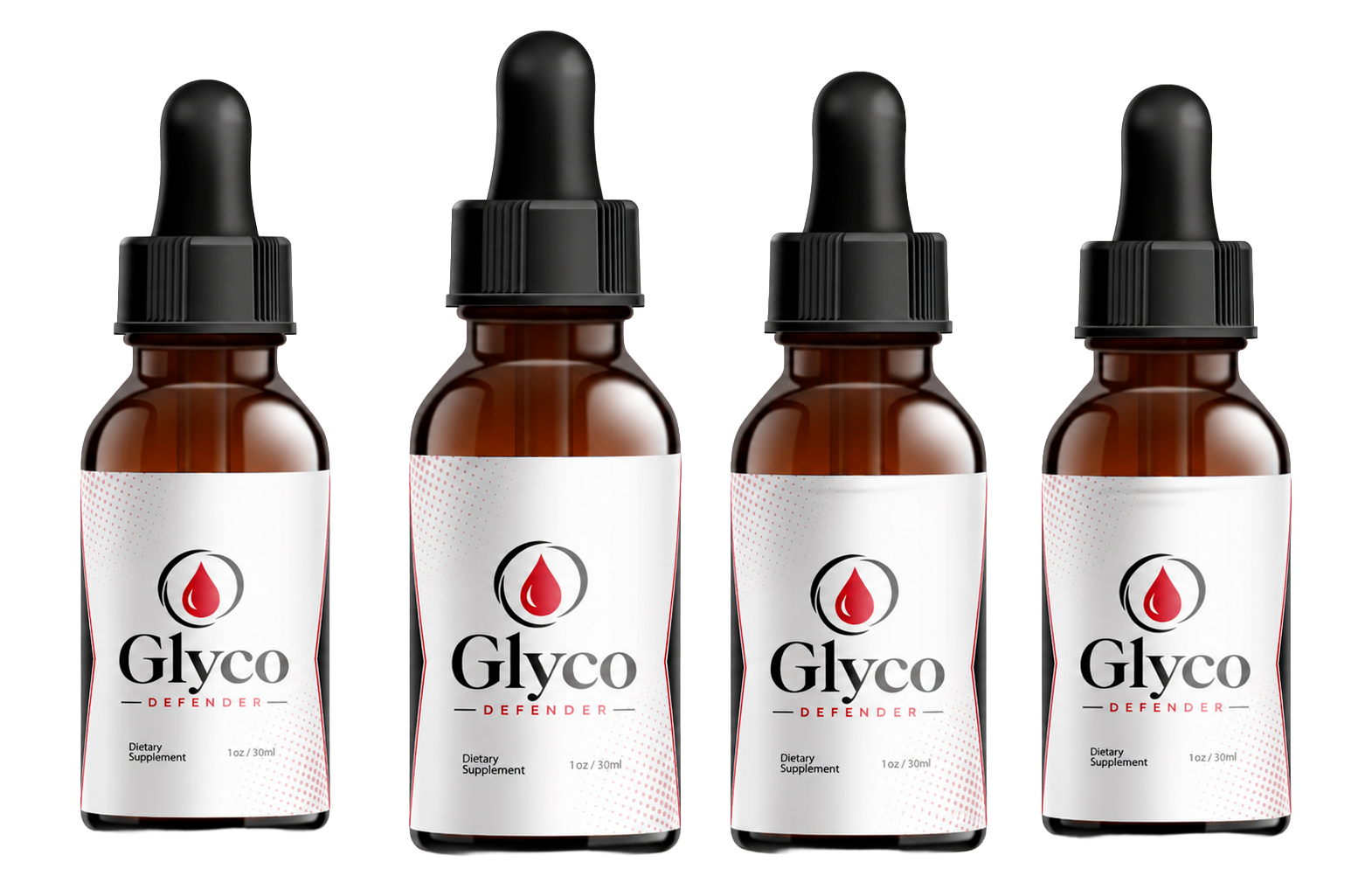
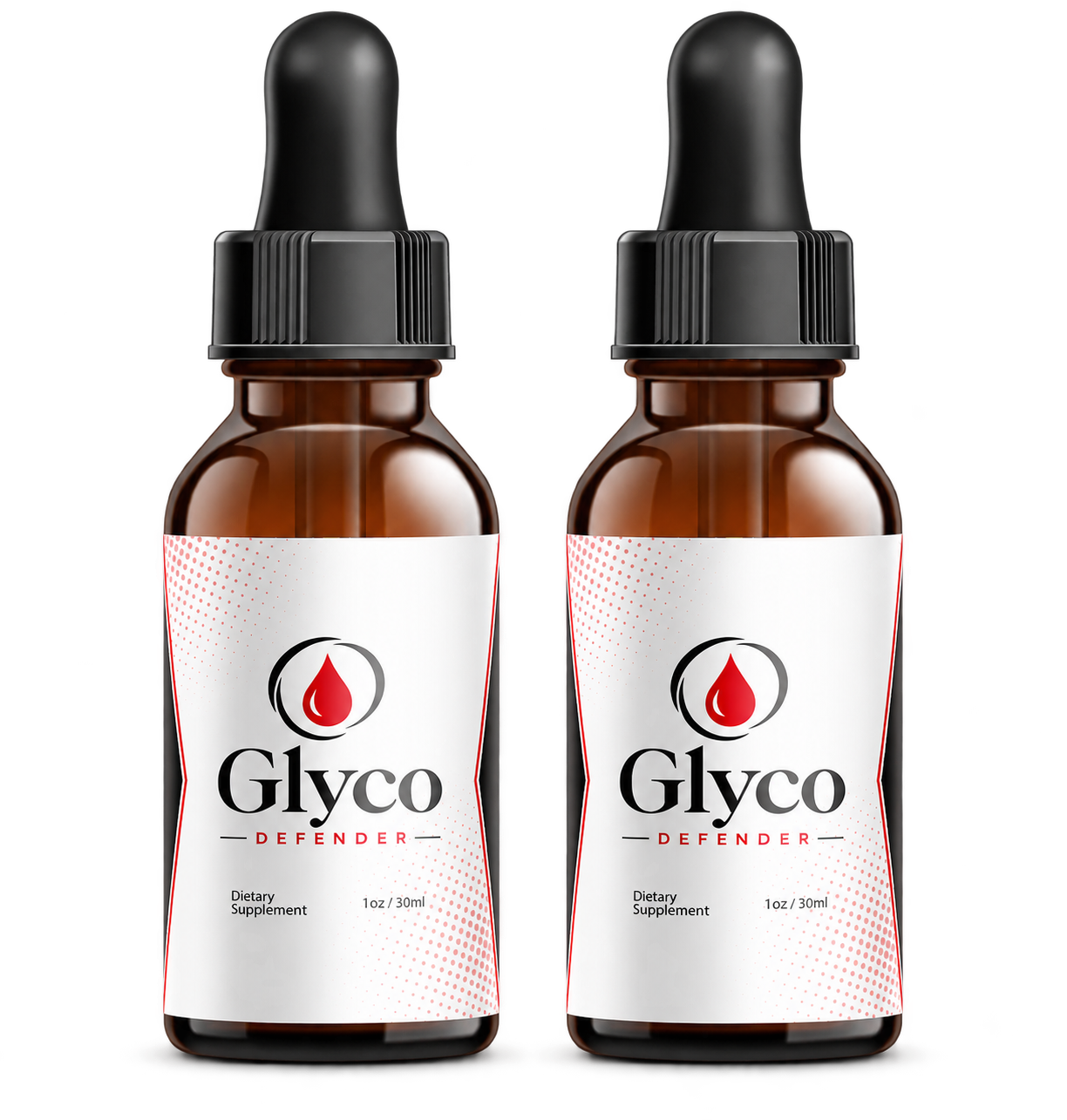
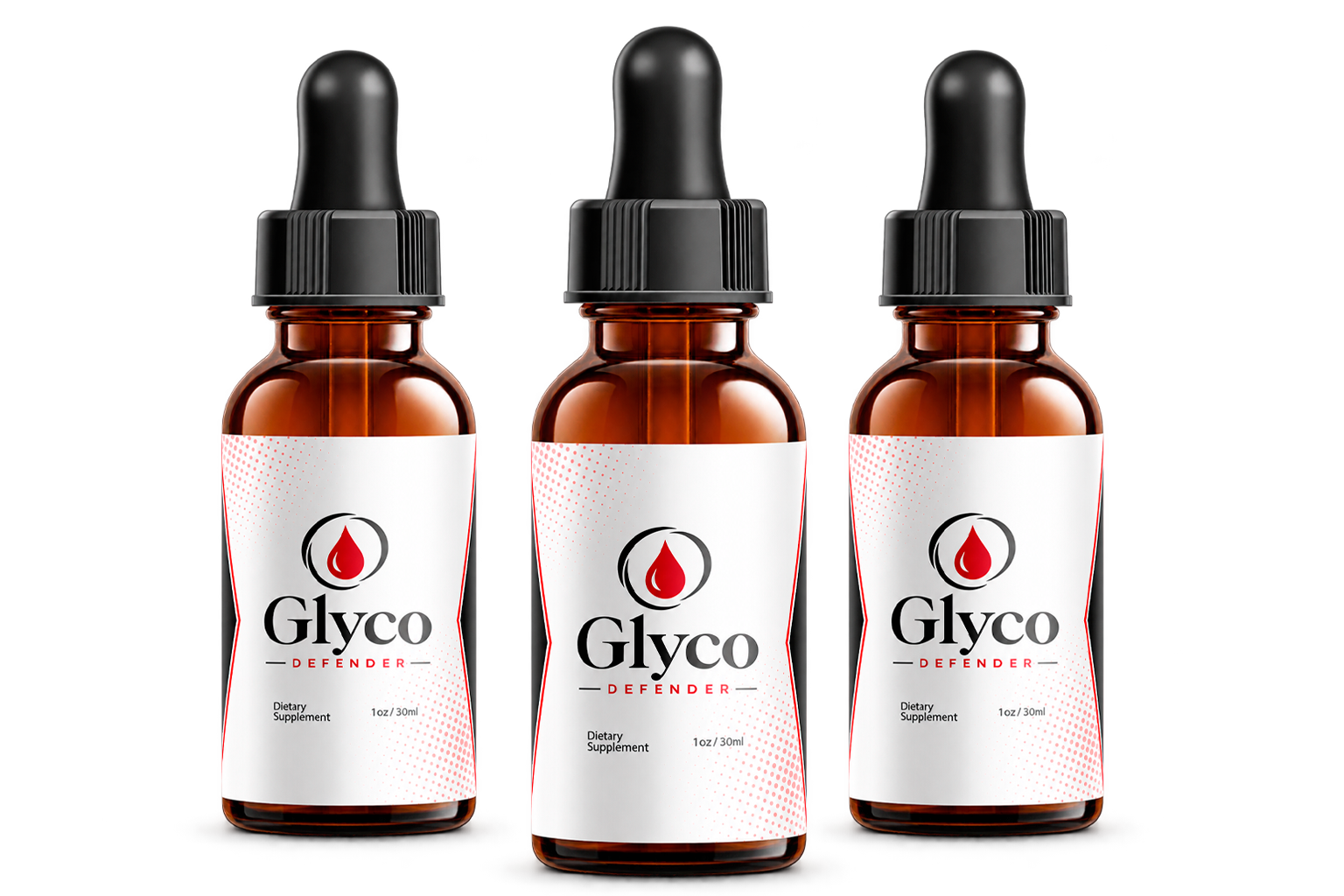
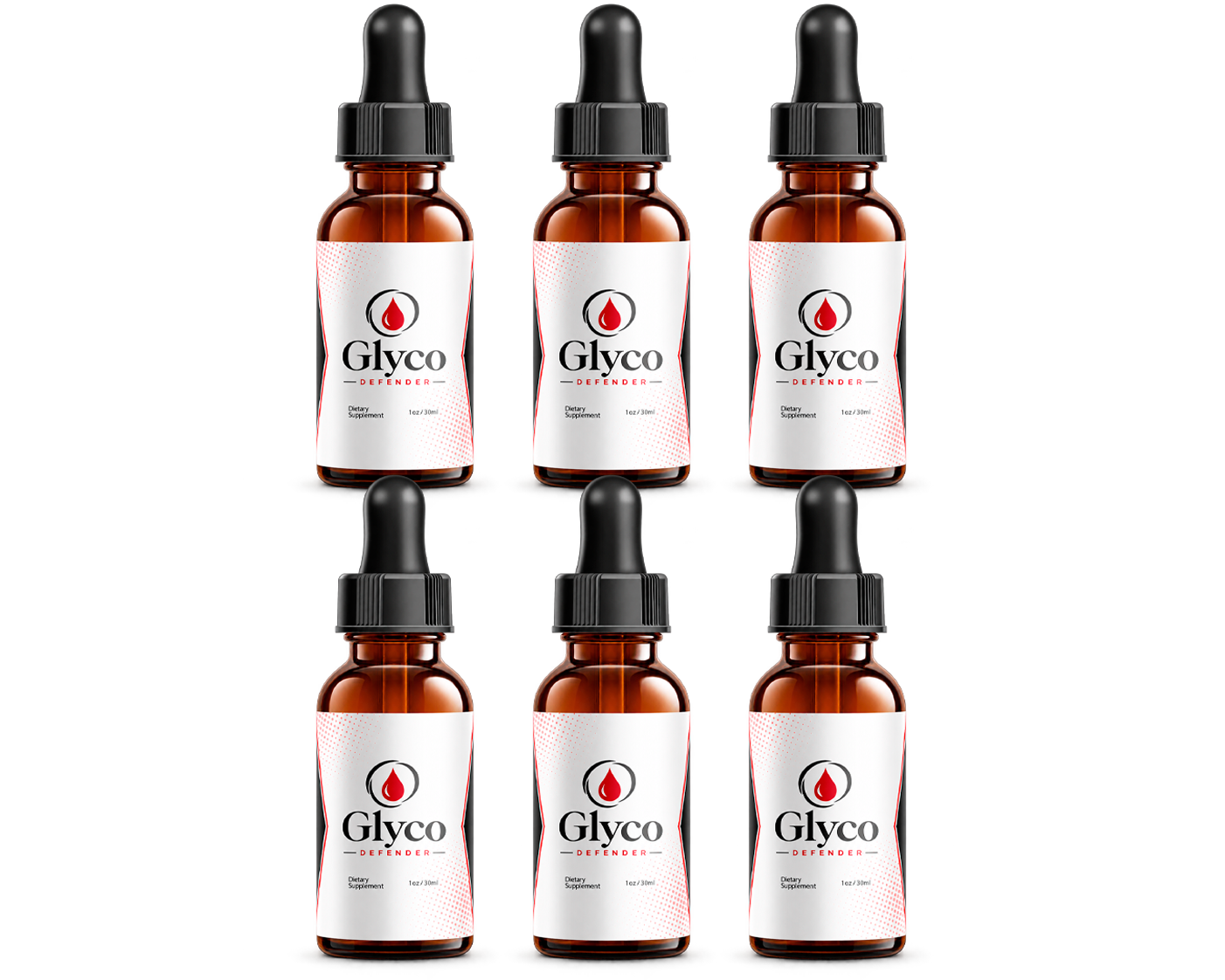
The Panel Most Pages Will Not Show You
Typical promotional pages describe GlycoDefender exclusively in vague adjectives. On this reference ledger, we present the exact data printed on the official manufacturer container — including the precise disclosed doses and the proprietary amounts that are kept bundled.
Disclosed vs Bundled Reality: The manufacturer explicitly discloses Chromium at 7 mcg per serving (providing 20% of the recommended Daily Value as Chromium Picolinate). The remaining 21 active botanicals and amino acids are grouped within a 15.47 mg proprietary blend.
Understanding Extract Equivalents: Crucially, the label denotes that key botanical actives (Maca, Grape Seed, Guarana, Eleuthero, Green Tea, Gymnema, and Coleus) are formulated as 20:1 concentrates, with African Mango as a 10:1 concentrate. A 20:1 ratio means 20 grams of raw botanical matter are condensed to yield 1 gram of bioactive extract. While this explains how potent phytonutrients fit inside a 15.47 mg liquid yield, rigorous laboratory transparency requires stating that individual milligram amounts for these 21 actives are not broken out.
Read our complete, peer-reviewed analysis on our dedicated GlycoDefender Ingredients & Doses Page.